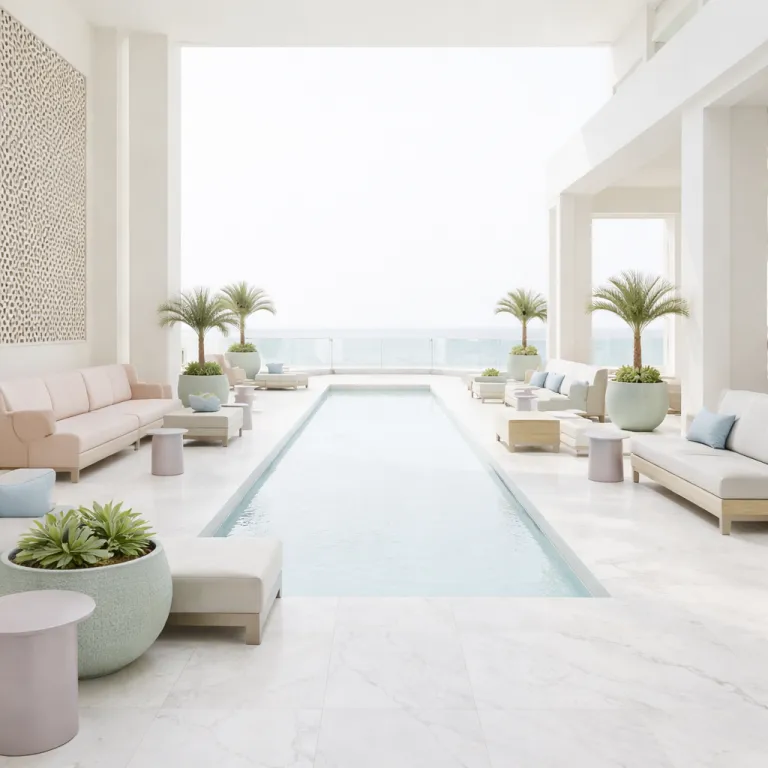
Kuwait’s Quiet Gulf Luxury for Solo Travelers
Restraint as the new Gulf luxury script
In the conversation about Gulf hospitality, Kuwait sits in an unusual place. Where neighbouring Gulf States chase ever taller towers and louder claims, Kuwait’s most interesting hotels are quietly editing rather than escalating. For a solo traveler choosing where to stay, that sense of restraint changes how you sleep, eat and move through the city.
Across the wider region, room counts climb while identity thins out and the seven star narrative in Qatar and the United Arab Emirates has become a shorthand for excess. Kuwait, by contrast, has allowed just two Forbes Travel Guide Five-Star anchors to define its top tier—the Four Seasons Hotel Kuwait at Burj Alshaya and the Waldorf Astoria Kuwait—according to the 2024 Forbes Travel Guide listings. Neither property feels compelled to shout about impossible suite sizes or gold plated spa menus. This is where a more measured form of Gulf luxury becomes a working philosophy rather than a marketing line, and it is most visible in how these hotels handle wellness and dining.
The Kuwaiti Government has been explicit that tourism should grow within a culture first frame, and that policy choice shapes what you experience in the lobby and at the table. Official tourism strategies sit inside the broader Kuwait Vision 2035 plan, which is structurally a restraint strategy rather than a race for spectacle. When you book a room here, you are stepping into a live experiment in how the Gulf Cooperation Council can balance growth, health and heritage without defaulting to maximalism.
Look at the data on hotel performance and you see both the challenge and the opportunity. According to reporting in The Times Kuwait on national tourism indicators, Kuwait’s hotel occupancy hovered around 41.4 percent when other GCC capitals were running much higher, a sign that outdated legislation and limited infrastructure have held tourism back. That underperformance has given Kuwait the space to rethink best practice in hospitality without the pressure to fill thousands of new keys every day.
For travelers used to Dubai or Doha, restraint can initially read as low ambition or even a ban on fun. Yet the absence of alcohol, the quieter skyline and the smaller inventory of luxury rooms are not bugs in the system, they are deliberate design choices. In a region where some properties now feel like airports with beds, Kuwait’s quieter, human scale hospitality offers something rarer, which is time and space calibrated to how people actually live.
This is not to say Kuwait is isolated from its neighbours or from the wider Middle East tourism ecosystem. The country sits in constant dialogue with Qatar, the UAE, Bahrain and Saudi Arabia through the Gulf Cooperation Council, and lessons travel quickly across borders. What Kuwait adds to that conversation is a proof of concept that long term value can come from editing, not escalating.
For the solo explorer, that editing shows up in the details that matter on a three night stay. You notice it in the way staff work the lobby, in the absence of intrusive music at breakfast, in the measured way spa therapists talk about health rather than transformation. You also feel it in the city itself, where the view from the Corniche or the diwaniya matters more than the latest mall atrium.
Behind the scenes, this restraint is also about how workers live and work Kuwait wide, from front office teams to domestic workers supporting households that host private diwaniya gatherings. Labor policy is a live topic across the GCC, with each government calibrating how to protect workers while sustaining tourism growth. Kuwait’s own department of labor debates echo those in Qatar, the Emirates and Saudi Arabia, but the smaller scale of tourism here makes reform more visible to the guest.
Wellness as Kuwait’s quiet argument against excess
Walk into the spa at one of Kuwait City’s Forbes rated hotels and you feel the argument for restraint before you see it written anywhere. Treatment rooms are generous but not cavernous, lighting is soft rather than theatrical, and the menu reads like a considered edit rather than a catalogue. This is where Kuwait’s more contemplative take on Gulf hospitality becomes tangible for a solo traveler who values wellness as much as a skyline view.
Across the wider Gulf, wellness has often been folded into the same escalation logic that drives seven star claims in Qatar or the United Arab Emirates. Spa floors stretch over several levels, hydro circuits become theme parks and the language of health is drowned out by spectacle and social media moments. Kuwait’s leading properties have taken a different path, aligning more closely with the restraint first wellness model emerging on Saudi Arabia’s Red Sea coast and in a few design led resorts across the Middle East.
Paired hammam rituals, smaller spa footprints and treatment rooms designed for one rather than groups are not cost cutting measures. They are a statement that the guest’s nervous system, not the Instagram feed, is the primary client, and that is a radical stance in the GCC context. When you book through a curated platform like mykuwaitstay.com and choose a property with a strong spa, you are effectively voting for this quieter, more grounded definition of luxury and for a new generation of Kuwait wellness hotels.
For solo explorers, the absence of alcohol in Kuwait reshapes the wellness day in ways that feel surprisingly liberating. Evenings tilt toward long dinners, night swims and unhurried treatments rather than bar hopping, and the body thanks you the next morning. In a region where brunch culture can be punishing, Kuwait’s slower, wellness oriented rhythm offers a different pace that aligns more closely with genuine health.
Policy choices sit in the background of this experience, from the national ban on alcohol to regulations that shape how spas operate and how workers Kuwait wide are trained and certified. “Is alcohol allowed in Kuwait? No, alcohol is strictly prohibited. (atlas-guide.com)” is more than a travel trivia line, it is a structural parameter that pushes hotels to compete on service, design and programming instead of bottle lists. For the guest, that means more attention to sleep quality, hydrotherapy, nutrition and movement, and fewer late night noise complaints.
Wellness programming here also reflects Kuwait’s position within the Gulf Cooperation Council and its ongoing dialogue with Qatar, Bahrain, Oman and the UAE about tourism diversification. As the cooperation council debates how to attract high value visitors without overbuilding, Kuwait’s smaller spa floors and slower programming offer a live case study. The data may show lower occupancy today, but the long term play is about resilience rather than quick wins.
Food is the other half of this wellness equation, and Kuwait’s gastronomy scene is finally catching up with its ambitions. A project like Jōn by Gastronomica, which has reopened as a cultural canvas for inward looking Kuwaiti gastronomy, shows how restraint can guide both menu and design, and you can read a detailed take in this analysis of Kuwait’s new wave of cultural dining. Here, portion sizes, pacing and sourcing are all tuned to support health and cultural depth rather than excess, and that sensibility is slowly bleeding into hotel restaurants.
For travelers who track their own health data and think in terms of long term wellbeing, Kuwait’s approach feels aligned with global best practice. You can spend a day moving between a hammam, a lap pool and a restrained, Gulf inspired tasting menu without ever feeling pushed to overconsume. In that sense, Kuwait’s hospitality model is not just a regional curiosity, it is a viable template for how urban luxury hotels worldwide might recalibrate.
There is also a labor story under the surface of every spa treatment and every carefully plated dish. Domestic workers and spa therapists across Kuwait, Qatar and the wider GCC often share similar migration routes and similar vulnerabilities, and the way each government and each department of labor responds will shape the ethics of Gulf wellness. A restraint first model that values fewer, better trained staff over endless expansion can, if matched with robust protections, improve both guest experience and worker dignity.
Dining rooms, diwaniyas and the ethics of quiet luxury
Luxury dining in Kuwait does not announce itself with fireworks, it reveals itself slowly over the course of an evening. The most interesting meals for solo travelers often happen in hotel restaurants that borrow the intimacy of a private diwaniya rather than the theatrics of a mall atrium. This is where Kuwait’s understated version of Gulf hospitality intersects with the country’s deep hosting traditions.
In a typical diwaniya, the host serves machboos, grills fish from the Gulf and lets the conversation run until midnight without rushing the coffee. The best hotel dining rooms in Kuwait City borrow that pacing, offering menus that respect local ingredients and portion sizes that allow you to walk the Corniche afterward. For a traveler used to the excess of some Qatar or UAE venues, this feels like a recalibration of what a luxury dinner in the Middle East can be.
Restraint here is not about austerity, it is about editing out the noise that has crept into Gulf hospitality over the years. You will still find caviar and wagyu on certain menus, but they sit alongside saffron rice, grilled zubaidi and date based desserts that speak directly to place. The point is not to ban indulgence, but to frame it within a narrative that feels coherent with Kuwait’s culture and with a more grounded approach to health.
Government tourism policy reinforces this cultural first stance, even if the legislative machinery sometimes moves slowly. “How does Kuwait's hospitality differ from other Gulf countries? Focuses on cultural authenticity over luxury.” is not a slogan, it is a summary of how regulators, hotel owners and chefs are being nudged to think. For the guest, that means more chances to taste regional dishes and fewer generic international buffets that could be anywhere between Qatar and the United States.
Location matters too, especially if you are arriving late or leaving early and want to minimise transfers. Properties near Kuwait International Airport now offer a level of refinement that would have been unthinkable a few years ago, and our guide to luxury hotels close to Kuwait airport maps the best options for a short, wellness oriented stay. These hotels often double down on quiet dining rooms and compact spa facilities, proving that restraint can work even in transit oriented locations.
From a regional perspective, Kuwait’s dining scene sits in dialogue with Doha’s museum district restaurants, Dubai’s chef imports and Riyadh’s new wave of concept driven venues. Yet where some GCC capitals chase the latest international brand, Kuwait’s most interesting kitchens are turning inward, much like Jōn by Gastronomica has done in the city’s cultural quarter. That inward turn is another expression of Kuwait’s selective approach to Gulf luxury, a decision to build depth rather than breadth.
For solo explorers, this means you can structure a day around a few precise experiences rather than a marathon of reservations. A morning spa ritual, a late lunch overlooking the Gulf and an evening in a hotel lounge that feels like a contemporary diwaniya can be enough. The absence of alcohol and the emphasis on conversation over spectacle make these spaces unusually comfortable for travelers who prefer to sit with a book or a notebook rather than a crowd.
Behind every plate and every polished service sequence are workers whose lives are shaped by cross border labor flows between Kuwait, Bahrain, Oman, Qatar and the wider Emirates. Discussions within the Gulf Cooperation Council about domestic workers’ rights, recruitment fees and contract enforcement are not abstract debates, they are the conditions that make ethical quiet luxury possible. A restraint first model that avoids endless expansion can give hotels the breathing room to invest in training, fair scheduling and long term retention, which ultimately shows up in the way your meal is served.
What restraint means for your next Kuwait hotel booking
For a solo traveler scrolling through options on a premium hotel booking website, the idea of Kuwait’s quiet Gulf hospitality might sound theoretical. It is not, it is a practical filter you can apply when choosing where to stay and how to spend your time. The next five years of Gulf luxury innovation will belong to properties that understand this filter and design around it.
Start with scale and ask how many rooms a property really needs to deliver the experience it promises. In Kuwait City, the most compelling hotels keep their room counts at a level where staff can still recognise repeat guests and adjust service without a script. That is a different proposition from some mega projects in Qatar or the UAE, where workers are stretched thin and the guest becomes a data point rather than a person.
Then look at the spa and wellness offer, not in terms of square metres but in terms of intent. A smaller, well programmed spa with a clear philosophy around health, sleep and recovery will serve you better than a vast, unfocused facility that tries to be everything to everyone. Our guide to contemporary spa rituals in Kuwait, including where to book a modern hammam experience, highlights properties that already operate on this restraint first model and showcase the best of modern hammam Kuwait culture.
Website design can also signal whether a hotel or a booking platform has internalised restraint as a value. When you land on a page and see a clear “skip main content” option, transparent data on room sizes and honest descriptions of views rather than exaggerated claims, you are in safer hands. Kuwait’s emerging digital hospitality culture, in this sense, is about respecting your time and your ability to make informed choices.
On the macro level, Kuwait’s approach offers a counterweight to the escalation narrative that still dominates tourism conversations across the Middle East. “Why is Kuwait's tourism sector underdeveloped? Due to outdated legislation and limited infrastructure. (timeskuwait.com)” is a reminder that restraint here is partly structural, but it has also become a strategic stance. As the Gulf Cooperation Council refines its collective tourism play, Kuwait’s model could help balance the portfolio.
There are, of course, gaps that need to be addressed if this restraint first approach is to scale. Kuwait will likely need at least one new build luxury property that embodies these principles from the ground up, proving that they can travel beyond the current Forbes rated anchors. That project would have to navigate government policy, department of labor regulations and regional competition from Qatar and Saudi Arabia while staying true to the core idea.
For now, the opportunity for travelers is clear and immediate. By choosing Kuwait over a more obvious GCC stop, and by selecting hotels that prioritise wellness, cultural authenticity and human scale service, you are effectively rewarding a different kind of ambition. You are also sending a signal to owners and operators across the Gulf that restraint can be a viable, even desirable, form of luxury.
In practical terms, this means paying attention to how hotels talk about their workers, their environmental footprint and their relationship with the city outside their doors. It means reading beyond the marketing article or social media post and asking whether the property’s long term strategy aligns with your own values around health, culture and ethical work. In that sense, every booking on a platform like mykuwaitstay.com becomes a small vote in the ongoing debate about what Gulf hospitality should be.
Key figures shaping Kuwait’s restrained hospitality model
- 41.4% hotel occupancy: Kuwait’s hotel occupancy rate sat at about 41.4 percent when other GCC capitals were significantly higher, underlining both underdeveloped tourism and room for thoughtful growth (source: The Times Kuwait, reporting on national tourism data).
- Two Forbes Five-Star hotels: The country currently has two Forbes Travel Guide Five Star hotels, compared with a far larger cluster in Qatar, the UAE and Saudi Arabia, which reinforces Kuwait’s selective, restraint oriented approach to top tier hospitality.
- Wellness and slow luxury trends: Regional analyses such as Hospitality Net’s “Hospitality Horizons 2026” highlight design led wellness and slower programming as key trends, aligning closely with Kuwait’s smaller spa footprints and wellness first positioning.
- Vision 2035 as a cultural framework: Kuwait’s Vision 2035, framed as a culture and heritage led tourism strategy, contrasts with more infrastructure heavy plans in neighbouring Gulf States, positioning restraint as a long term national choice rather than a temporary condition.