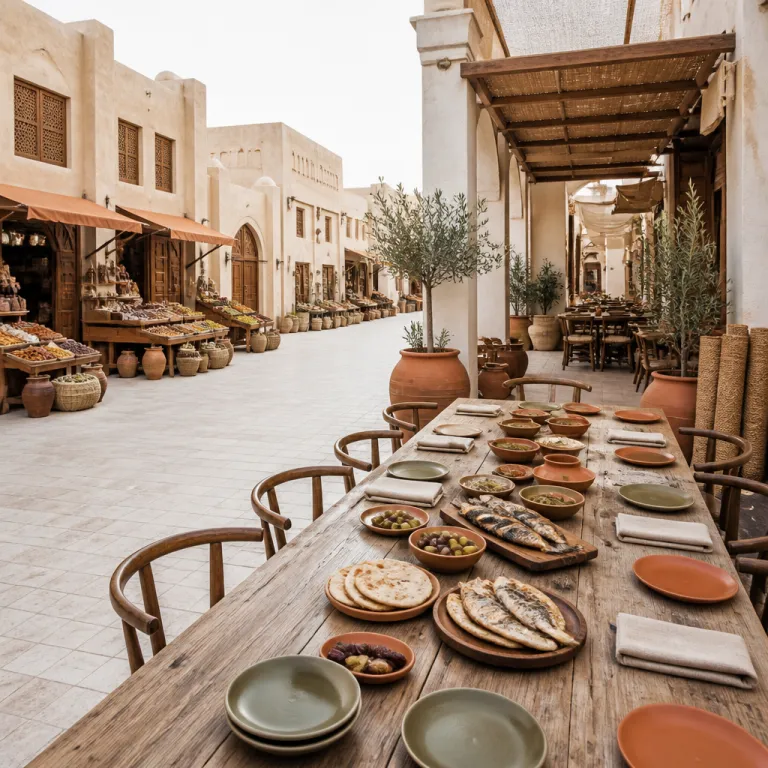
A mubarakiya souq kuwait guide for couples who want texture
Think of this mubarakiya souq kuwait guide as a quiet recalibration of luxury in Kuwait City. Instead of starting in a marble lobby, you begin in Souq Al Mubarakiya, the traditional market that has anchored the city for more than 120 years and still feels like the heart Kuwait chooses for itself. For a couple planning a refined travel weekend, this is where the city Kuwait reveals its layers slowly.
Souq Al Mubarakiya sits in the historic core of Kuwait City, framed by low arcades, traditional architecture and shaded lanes that keep the worst of the weather Kuwait at bay. The market, or souq, is not a curated heritage set ; it is a working traditional market where local families shop for spices, gold and everyday food, and where the call of traders blends with the clink of coffee cups. When you walk in from the modern city, you feel how mubarakiya Kuwait still functions as the heart Kuwait, not just a postcard from the past.
For luxury travelers used to polished itineraries, the best places often start with a clear map and a sense of sequence. This mubarakiya souq kuwait guide is structured as a weekend travel guide, with a walking route, specific places to visit and nearby premium hotels that make visiting the souk effortless. You will find that making easy choices about where to stay near the souq Kuwait can transform a simple day Kuwait into a layered experience that pairs heritage with high thread counts.
A walking route through the souq: gold, spices and perfume
Begin your first full day at Souq Al Mubarakiya just after breakfast, when the weather Kuwait is still relatively gentle and the light is soft on the stone. Enter from the side closest to the gold souq, where rows of shops display bangles and necklaces that echo the days when Sheikh Mubarak consolidated this trading hub into the commercial heart of the city. This is one of the best places to watch how a traditional market still underpins wealth in Kuwait, as local buyers quietly negotiate in air conditioned interiors while the lanes outside hum.
From the gold section, follow your own mental map toward the spice market, letting the scent of cardamom, saffron and dried limes guide you through the souk. Here, the experience is intensely sensory ; you find traditional Kuwaiti ingredients piled high in burlap sacks, and vendors will happily talk you through how each spice shapes a family recipe. A good mubarakiya souq kuwait guide always suggests buying small packets of mixed spices, because they travel well and turn a future day Kuwait back home into a remembered evening in Kuwait City.
Continue your visiting souk walk toward the perfume houses, where shelves of oud, rose and amber oils line cool, tiled rooms. These shops are where the traditional architecture of the souq meets a more contemporary aesthetic, with sleek glass bottles sitting beneath carved wooden ceilings that recall the early trading days of mubarakiya Kuwait. If you are still planning trip details, this is the moment to pause, sit with a small Arabic coffee and appreciate how this travel guide is less about ticking places visit off a list and more about letting the souq mubarakiya rhythm set your pace.
For couples choosing where to stay, the surrounding district is key, and a detailed district guide for the discerning luxury traveler can help you align your hotel with this walking route. Several premium properties in Kuwait City’s core position you within a short drive or comfortable stroll of the souq, which makes returning for a second or even third visit during your weekend entirely natural. When you match your hotel choice to this traditional market circuit, the city Kuwait feels coherent rather than fragmented.
Eating your way through heritage: from street food to hotel dining rooms
Food is where this mubarakiya souq kuwait guide becomes most vivid, because the traditional Kuwaiti table is having a quiet renaissance. Inside the market, simple restaurants and street level counters serve machboos, harees and grilled fish to a mix of local regulars and curious travelers, and the atmosphere feels more diwaniya than dining room. When you sit at a plastic table under the arcades, you understand why the best places to eat in souq mubarakiya are often the least staged.
Two addresses stand out for couples who want a structured travel experience without losing that local edge. Freej Swaeleh, a short walk from the main market, serves generous plates of traditional Kuwaiti dishes like Machboos and Harees, and the room fills with families on a relaxed day Kuwait when no one is rushing anywhere. Inside the souq itself, Haseer Restaurant offers traditional dishes with modern twists, and it is suitable for breakfast when you want to start your visiting souk circuit with strong tea and fresh bread before the city Kuwait fully wakes.
Beyond the arcades, Kuwait’s luxury hotels have begun to reinterpret heritage ingredients at fine dining level, folding dates, saffron and dried lime into tasting menus that speak to both past and present. A thoughtful travel guide to the city will pair an afternoon in the traditional market with an evening in a polished hotel restaurant, where the same spices you saw in the souk reappear in plated form. For travelers curious about how Kuwait’s Gulf coast is evolving, a lifestyle brand’s bet on Kuwait’s shoreline, as profiled in this look at a new Ray Hotel opening in Mangaf, shows how the country’s hospitality scene is stretching beyond the city center while still nodding back to the heart Kuwait represented by Mubarakiya.
There is also a broader cultural context that matters for luxury travelers who care about authenticity and not just surface gloss. Kuwait’s decision not to chase another city’s skyline, and to lean instead into its own diwaniya culture and measured pace, is part of what gives weekends in souq Kuwait their particular charge. A thoughtful analysis of why Kuwait should not try to become Dubai, and why that restraint is actually a luxury edge, helps explain why a simple meal in a traditional market can feel more resonant than another international tasting menu in a generic tower.
Where to stay: luxury hotels that frame your Mubarakiya weekend
Choosing the right hotel in Kuwait City is what turns a mubarakiya souq kuwait guide into a lived experience rather than a checklist. For couples, the priority is usually proximity to the souq mubarakiya, easy transfers, and a room that feels like a calm, contemporary counterpoint to the traditional market’s energy. Look for properties in the central business district and Sharq waterfront, where you can reach the souq Kuwait in minutes by car or, in some cases, on foot during a cooler part of the day.
Several international luxury flags and regional premium hotels cluster around this area, offering skyline views of city Kuwait and quick access to both heritage places and modern malls. When you study a detailed map of Kuwait City’s districts, you will see how staying near the older core allows you to balance a morning in the market with an afternoon by a rooftop pool or in a spa. A dedicated guide on where to stay in Kuwait City for discerning luxury travelers breaks down these neighborhoods, making easy comparisons between properties that suit a romantic weekend and those better for business travel.
From a practical perspective, couples should consider the weather Kuwait when choosing whether to walk or drive to the souk mubarakiya, especially during hotter months. Many hotels offer car services or can arrange reliable taxis, which makes visiting souk lanes for a late evening stroll or a tuesday Wednesday dinner entirely straightforward. When you return to your room after a few hours in the traditional architecture of Mubarakiya, the contrast between the market’s textured stone and your hotel’s smooth marble becomes part of the overall travel experience.
Luxury in Kuwait is not only about thread count and skyline views ; it is also about how seamlessly your hotel integrates with the city’s cultural fabric. Properties that train staff to act as informal travel guide hosts, pointing out specific places visit in and around the souq, tend to create more memorable stays. When your concierge can explain who Sheikh Mubarak was, why this traditional market matters, and which restaurant in Mubarakiya Kuwait serves the best machboos on a given day, you feel anchored rather than adrift.
Timing, etiquette and practicalities for a refined souq weekend
Good planning trip habits matter in Kuwait, especially when your weekend revolves around a traditional market that still follows local rhythms. Souq Al Mubarakiya tends to be liveliest in the late afternoon and evening, when the heat softens and families come out to shop, eat and linger in the lanes. For couples, that means structuring your day Kuwait around a slower morning, a shaded midday break back at the hotel, and a long, unhurried evening visiting souk stalls.
Dress codes in Kuwait City are straightforward but worth respecting ; modest clothing that covers shoulders and knees is appropriate for both men and women in the souq. This is not about restriction so much as fitting into the local flow, and you will feel more comfortable browsing shops and sitting in casual food courts when you match the general tone. Carry some cash, because while many shops now accept cards, smaller vendors in the traditional market still prefer notes, and it keeps small purchases of spices or street food simple.
Heat is the main practical consideration, and the weather Kuwait can be intense, especially for travelers used to milder climates. Stay hydrated, wear light fabrics and comfortable shoes, and use the shaded arcades and indoor sections of souq Kuwait as natural cooling breaks during your walk. Local advice often boils down to three simple rules for a weekend here : “Dress modestly respecting local customs. Stay hydrated in the warm climate. Carry cash as some vendors may not accept cards.”
Finally, remember that this mubarakiya souq kuwait guide is about more than shopping or ticking off places visit on a list. It is an invitation to treat the heart Kuwait as a living space, where traditional Kuwaiti life continues alongside the city’s quieter modern ambitions. When you let the market’s traditional architecture, its food, its people and its stories shape your weekend, you leave with an experience that feels both deeply local and quietly luxurious.
Extending the weekend: beyond the lanes of Mubarakiya
Once you have walked the main arteries of Mubarakiya Kuwait, it is worth looking outward to see how the rest of the city Kuwait connects back to this core. A million visitors pass through Souq Al Mubarakiya annually, according to local tourism données, and many of them now pair the traditional market with newer waterfront promenades and cultural centers. For couples, that means you can use this mubarakiya souq kuwait guide as a base layer, then add side trips that keep the same balance of heritage and comfort.
From the souq, short taxi rides take you to museums, contemporary galleries and the seafront, where the skyline of Kuwait City offers a different perspective on the places you have just walked. These are not long excursions ; they are half day extensions that keep your focus on the heart Kuwait while acknowledging that the city is changing. When you return to the traditional market in the evening, perhaps for a final meal or last minute shopping, the contrast between old and new feels sharper and more interesting.
For travelers who like structure, think of your weekend as a layered travel guide in motion. The first layer is the traditional market itself, with its shops, food stalls and perfume houses ; the second is the ring of hotels and restaurants that frame it ; the third is the wider city Kuwait, from coastal walks to contemporary dining rooms that reinterpret traditional Kuwaiti flavors. Each layer adds context, but the emotional center remains the souk mubarakiya, where the presence of Sheikh Mubarak still lingers in the layout and the way traders greet long standing clients.
As you leave, you may find that the most vivid memories are not the purchases you made, but the small interactions that stitched your day Kuwait together. A vendor explaining how to find the best saffron, a restaurant host recommending a place to visit next, a hotel concierge sketching a quick map on a notepad to make navigating the souq Kuwait easier. Those moments are why a weekend in Mubarakiya, anchored by a thoughtful mubarakiya souq kuwait guide, feels like a different kind of luxury altogether.
FAQ
What is Souq Al Mubarakiya and why is it important ?
Souq Al Mubarakiya is a historic market in Kuwait City over 120 years old, and it has long served as a commercial and social hub for the city. Its traditional architecture, active gold souq, spice lanes and perfume houses make it a key place to visit for understanding traditional Kuwaiti life. For luxury travelers, it offers a textured counterpoint to modern malls and hotel atriums.
How should couples plan a weekend visit around the souq ?
Plan to arrive at Souq Al Mubarakiya in the morning for a quieter walk, then return in the late afternoon and evening when the market is livelier and cooler. Use a clear map or hotel concierge advice to structure a route through the gold souq, spice market and food courts, and build in time for meals at places like Freej Swaeleh or Haseer Restaurant. Staying in a central Kuwait City hotel makes it easy to visit the souk more than once during a short trip.
What should I eat at or near Mubarakiya ?
Within the souq, look for traditional Kuwaiti dishes such as machboos, harees and grilled fish served at simple restaurants and street food counters. Freej Swaeleh near the market is known for generous plates of local classics, while Haseer Restaurant inside the souq offers traditional dishes with some modern touches and a solid breakfast. Many nearby luxury hotels also feature restaurants that reinterpret heritage ingredients like dates, saffron and dried lime in contemporary menus.
Is Souq Al Mubarakiya suitable for luxury travelers ?
Yes, Souq Al Mubarakiya suits luxury travelers who value cultural depth and authentic experiences alongside premium accommodation. The market itself is a traditional space, but it is within easy reach of high end hotels, refined restaurants and curated private tours that can add comfort and context. For many couples, the contrast between a polished hotel and the textured life of the souq is precisely what makes a Kuwait City weekend feel special.
What practical tips should visitors keep in mind ?
Dress modestly with shoulders and knees covered, carry some cash for smaller vendors and stay hydrated, especially during hotter months. Plan your main walking around cooler hours, using shaded arcades and indoor sections of the market as natural breaks. Comfortable shoes, a light scarf or shawl and a flexible schedule will make your time in Mubarakiya Kuwait far more enjoyable.