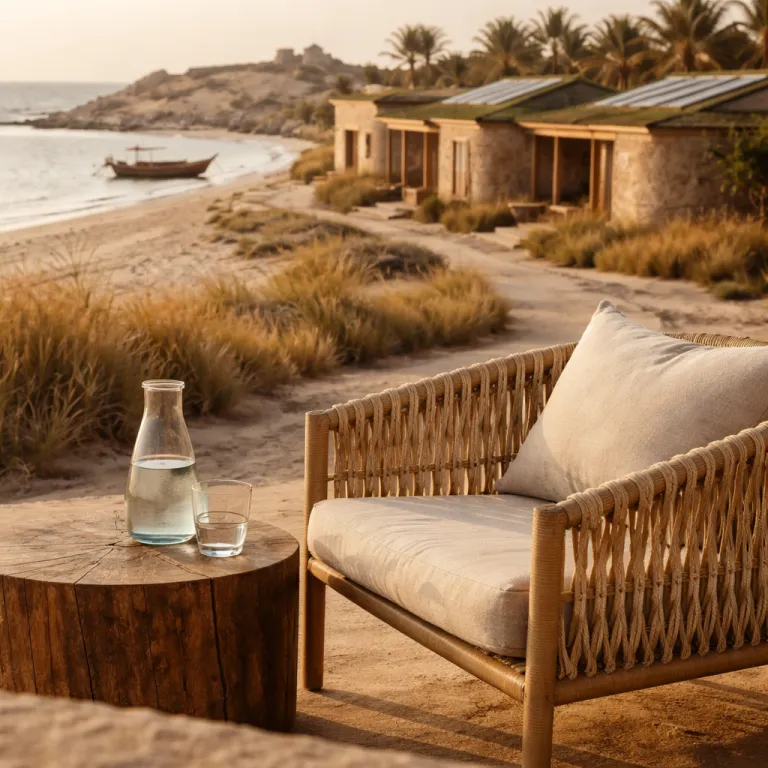
Failaka Island today and the meaning of eco luxury
Failaka Island lies just off Kuwait City, a low sandy outline where the Gulf feels surprisingly quiet. The government presents the current failaka island eco luxury vision as a way to turn this historic island into a sustainable retreat while keeping its archaeological layers intact. For solo guests planning a vacation, that means thinking less about a flashy pool and more about how a night on Failaka connects you to Kuwait’s deeper story.
The Kuwait National Council for Culture, Arts, and Letters oversees heritage on the island, while the state-owned Touristic Enterprises Company guides tourism development under an eco-tourism brief. Their shared objective is clear in official language: "Failaka Island is being developed into a sustainable tourism destination." That line matters for any traveler comparing a hotel in Kuwait City with a stay on Failaka Island, because it signals that the best deal here is not only about price but about how your island vacation supports preservation.
Archaeological sites, Greek-era ruins and traces of old villages make Failaka more than another beach island. The eco luxury concept aims to pair low-rise accommodation with renewable energy, waste management systems and community engagement, rather than just building another generic hotel Kuwait project. Current lodging on the island is limited and relatively modest, but available rooms already offer sea views where you wake to the call of seabirds instead of city traffic.
How Failaka’s eco vision differs from the Saudi Red Sea model
Across the water, Saudi Arabia’s Red Sea resorts position themselves as regenerative tourism flagships, with wellness-first design and ultra-controlled island vacation experiences. Failaka Island, by contrast, is smaller in scale and archaeology first, using eco-friendly construction and sustainable building materials to frame ruins rather than hide them behind a spa complex. For a solo explorer, that difference shapes everything from the type of room you book to the kind of reviews travelers leave after a stay.
Where Red Sea properties often lead with private pool villas and all-inclusive packages, the failaka island eco luxury thesis is more restrained and heritage led. You are more likely to compare bedrooms with simple finishes and strong cultural programming than to weigh which infinity pool has the best sunset view. That makes Failaka feel closer to Kuwait’s diwaniya tradition than to a sealed resort bubble, especially if you split your trip between the island and a refined coastal stay such as a Hyatt Regency Al Kout Mall review in the south.
Public reporting has noted oil and gas reserves in the wider area around Failaka, which raises obvious questions about long term sustainability, yet the current tourism plan still foregrounds cultural heritage tourism. Local partners already offer guided eco-tours that explain how renewable energy sources and waste systems are being tested on the island, including pilot solar installations and basic recycling points. When you read hotel reviews or other rentals Failaka options, look for mentions of these systems, because they indicate whether eco claims are operational or just marketing.
When Failaka becomes a two night stay instead of a day trip
Right now, many Kuwait City residents treat Failaka as a day escape, taking the ferry out in the morning and returning before night. For a solo traveler, the tipping point for a two night stay Failaka experience will come when eco-led accommodations, dining and guided walks align into a coherent island vacation narrative. Until then, you need to be deliberate about how you structure each night and what you expect from the island’s limited hotel stock.
Think of Failaka as one piece in a broader waterfront itinerary that might also include a refined resort Kuwait stay on the mainland. Pairing a heritage focused island holiday with a more polished coastal property, such as those reviewed in our guide to where the Gulf coast still delivers a proper beach resort stay, gives you contrast and comfort. You might spend one night on Failaka walking past ruins at dusk, then return to a city hotel with a larger pool and more varied food scene.
As failaka island eco luxury infrastructure matures, expect more structured rentals with defined bedrooms, clearer price bands and better transport links. That will make it easier to compare an island apartment with a hotel Swiss property in Salmiya or a Holiday Inn under the Kuwait IHG portfolio in Bneid Gar. For now, the best deal is often a simple room with a strong sea view and access to guided cultural walks, rather than a long list of amenities.
Reading the eco claims: greenwash or credible hospitality shift ?
Eco language travels fast in the Gulf, and not every hotel Kuwait project lives up to its sustainability promises. Failaka Island’s program has more credibility than most because it is anchored by the Kuwait National Council for Culture, Arts, and Letters and by clear methods such as eco-friendly construction and community engagement. Still, any serious solo traveler should read reviews closely and ask how each property handles energy, water and waste before booking a night.
On mykuwaitstay.com, we look for specific data points rather than vague green labels when we assess failaka island eco luxury offers. Does the accommodation use renewable energy sources, and are there visible waste management systems on the island, or is the language limited to recycled paper menus? When guests mention sustainability in room review comments, we pay attention to whether they describe concrete practices or just a general feeling.
Comparing Failaka with districts such as Salmiya, Bneid Qar or Bneid Gar on the mainland also helps you calibrate expectations. In city Salmiya and city Bneid, you will find more conventional rentals with multiple bedrooms, a clearer bedroom-to-bathroom ratio and sometimes a pet friendly policy, but far less integration with heritage. Articles such as our analysis of why Kuwait should not try to become Dubai explain why this slower, culture first approach gives the country a long term luxury edge.
Designing a credible Failaka trip from Kuwait City
Failaka Island is reached by ferry from Kuwait City, a short crossing that already shifts your sense of pace. Public ferries and charter boats are typically scheduled for around 45–60 minutes each way, with extra sailings often added on weekends and public holidays. For a solo explorer, the most credible way to engage with failaka island eco luxury today is to book one or two nights, work with a reputable eco-tour operator and keep your footprint light. Bring reusable water bottles, use eco-friendly transportation on the island and respect local customs when you walk through old village sites.
Plan your stay Failaka itinerary around the archaeological zones, the modest beach areas and any cultural programming scheduled by the Kuwait National Council for Culture, Arts, and Letters. If you choose an apartment style rental, check how many bedrooms you actually need and whether the bedroom and bathroom layout suits your style of travel. Solo guests rarely need multiple bedrooms, so paying a higher price for extra space may not be the best deal when compared with a compact hotel room that includes breakfast.
Outside the capital, areas such as Ahmadi Kuwait, Sabah Salem and city Sabah offer more conventional waterfront escapes, with larger hotel pools and easier access to the city. Those districts, along with Salmiya and Bneid, remain useful bases before or after an island vacation, especially if you want to compare different hotel Kuwait experiences in a single trip. Use reviews and bedroom filters on booking platforms to cross check how other guests rate cleanliness, noise and service across both Failaka Island and mainland properties.
FAQ
What is Failaka Island known for ?
Failaka Island is known for its rich history and archaeological sites, including Greek-era remains and traditional Kuwaiti village structures. This heritage focus underpins the failaka island eco luxury strategy, which aims to protect ruins while adding low impact hospitality. For travelers, that means your island vacation is as much about culture as it is about the sea view.
How do you reach Failaka Island from Kuwait City ?
You reach Failaka Island by scheduled ferry services operating from Kuwait City, with crossing times typically under an hour depending on conditions. Tickets are usually sold per person, with separate arrangements for any vehicle transport if available. Always check the latest schedules locally, because departures can shift with weather and operational needs.
Are there accommodations on Failaka Island ?
Yes, there are accommodations on Failaka Island, including a small number of rentals Failaka options that function like simple apartments and guesthouse-style rooms. Categories range from basic bedrooms to family layouts, so review each bedroom and bathroom configuration carefully before booking. Because supply is limited, securing your night well in advance is advisable, especially during local holiday periods.
Is Failaka suitable for solo travelers interested in eco tourism ?
Failaka is well suited to solo travelers who value eco tourism and cultural depth over nightlife or shopping. The failaka island eco luxury program emphasizes heritage preservation, low rise construction and partnerships with eco-tourism operators who focus on low impact activities. Solo guests should be comfortable with quieter evenings, limited dining options and a focus on guided walks rather than resort entertainment.
When is a two night stay on Failaka better than a day trip ?
A two night stay makes sense when you want to explore archaeological sites at a slower pace, join eco-focused tours and experience the island at sunrise and after dark. Staying overnight also lets you compare the feel of Failaka with districts such as Salmiya, Bneid Qar or Ahmadi Kuwait, which offer more conventional hotel Kuwait experiences. If you are mainly interested in a quick view of the ruins and a short ferry ride, a day trip from Kuwait City may be sufficient.
References
TBO Academy – analysis of Kuwait’s culture first, heritage led tourism strategy under Vision 2035.
Travel And Tour World – coverage of Saudi Arabia’s Red Sea regenerative tourism and sustainable resort design.
Zawya – reporting on Kuwait’s target to attract 100,000 foreign cultural tourists annually through Vision 2035 programs.