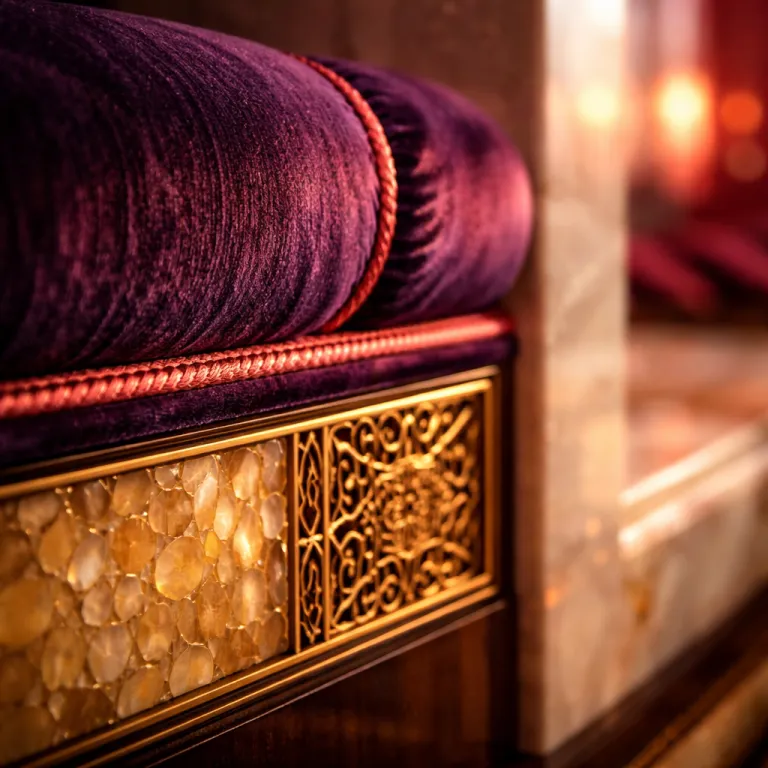
Luxury hospitality in Kuwait for discerning international travelers
Kuwait offers a refined hospitality scene where luxury hotels frame the shimmering Persian Gulf and the skyline of Kuwait City. The country blends a strong economic profile shaped by oil wealth with a growing focus on premium tourism, which matters for travelers seeking both comfort and cultural depth. Understanding how the state Kuwait regulates hospitality through government oversight and law helps guests feel secure when choosing a luxury or premium hotel.
The emir serves as head of state and symbolizes continuity, while the prime minister leads the government that supervises tourism related regulations. Today, Sheikh Mishal al-Ahmad al-Jabir al-Sabah is the Emir and Sheikh Mohammad Sabah al-Salem al-Sabah is the Prime Minister, and their roles influence how the country balances economic diversification with hospitality investment. This political framework, including the elected parliament and the national assembly, shapes everything from foreign ownership rules to hotel licensing in Kuwait.
Travelers arriving in the city Kuwait, often referred to internationally as Kuwait City, immediately notice the contrast between glittering towers and traditional souks. Iconic landmarks such as the Kuwait Towers rise above the Persian Gulf, while luxury hotels cluster along the waterfront and in the financial district. Many premium properties highlight views of the gulf and quick access to the Kuwait Towers, which has become a visual shorthand for the modern state Kuwait.
For international guests, travel advisories issued by the united states and other countries often reference Kuwait’s political stability and regional context in the Middle East. These travel advisories typically mention the legacy of the Gulf War and the country’s close ties with Saudi Arabia and other Gulf neighbors. Reading current travel advisories before booking helps align expectations about security, human rights considerations, and local customs in Kuwait.
How Kuwait’s political and legal context shapes premium hotel choices
Choosing a luxury hotel in Kuwait means understanding how the political and legal environment underpins service standards and guest protections. The government operates within a constitutional framework where an elected parliament and the national assembly share power with the ruling family. This structure influences hospitality regulations, from safety codes to employment law, which ultimately affect the guest experience in Kuwait City and beyond.
The emir, supported by the crown prince and the wider ruling family, appoints the prime minister who leads the cabinet responsible for tourism and economic planning. In practice, this means that when the state Kuwait prioritizes diversification beyond oil, it often channels investment into high end hotels, waterfront developments, and cultural venues. The presence of a stable emir sheikh at the top of the system reassures many foreign investors and international hotel brands considering Kuwait.
Citizenship and residency law also play a role in shaping the workforce that powers luxury hotels in Kuwait. A significant expatriate population works alongside Kuwaiti nationals, and this mix influences language skills, cultural fluency, and service styles in premium properties. For travelers, the result is usually a cosmopolitan atmosphere where English is widely spoken and staff understand the expectations of guests from the united states, Europe, and across the Middle East.
Political debates in parliament and the national assembly sometimes focus on human rights, labor protections, and the balance between tradition and modernity. These discussions can affect regulations on alcohol, entertainment, and public behavior, all of which matter when selecting a hotel environment that matches personal preferences. Before booking, guests should review hotel policies and recent travel advisories to ensure that the chosen property in Kuwait aligns with their expectations regarding freedom, privacy, and cultural norms.
From Gulf War legacy to modern luxury: context for today’s premium stays
Modern luxury hotels in Kuwait stand on a landscape shaped by the Gulf War and its aftermath. The invasion and liberation left deep marks on the country, yet the government used subsequent oil revenues to rebuild infrastructure and elevate Kuwait City into a regional financial and hospitality hub. Understanding this history adds depth to a stay, especially when visiting sites that reference the Gulf War and the country’s resilience.
The ruling family, including figures such as Ahmad Jaber and Jaber Sabah in earlier eras, guided Kuwait through phases of economic expansion and political reform. Their successors, including the current emir and crown prince, continue to balance oil dependence with diversification into sectors like tourism, culture, and finance. This long term vision supports the development of premium hotels that cater to both Kuwaiti guests and international travelers seeking refined experiences along the Persian Gulf.
Many visitors arrive with images of the Kuwait Towers, the desert, and the shimmering gulf, then encounter a more complex reality in the city Kuwait. Luxury hotels often curate experiences that reference the country’s trading heritage, maritime history, and role in the wider Middle East. Guests may find curated tours that explain how Kuwait evolved from a small port to a modern state Kuwait with a sophisticated hospitality offering.
International relations also shape the travel landscape, as Kuwait maintains close ties with the united states, Saudi Arabia, and other Gulf Cooperation Council members. These relationships influence travel advisories, aviation links, and foreign investment in the hotel sector, which in turn affect room supply and pricing. For travelers comparing premium options across the gulf, Kuwait offers a quieter, more measured alternative to some neighboring hubs while still providing high service standards and strong legal protections.
Choosing the right district in Kuwait City for a luxury stay
Selecting the ideal neighborhood in Kuwait City is crucial for a successful premium hotel stay. Waterfront districts along the Persian Gulf appeal to travelers who value sea views, easy access to the Kuwait Towers, and proximity to coastal promenades. Central business areas in the city Kuwait suit guests focused on meetings, government visits, or quick access to ministries and the national assembly complex.
Many luxury hotels cluster near major government institutions, embassies, and corporate headquarters, reflecting Kuwait’s role as a regional diplomatic and economic hub. Staying near these areas can be convenient for visitors with appointments at ministries, parliament offices, or international organizations. It also places guests close to cultural venues, upscale malls, and fine dining that showcase both Kuwaiti cuisine and international flavors.
Travelers interested in architecture and civic life may prefer districts where they can observe the interplay between the elected parliament, the national assembly, and the symbolic presence of the emir. From certain hotels, guests can easily reach areas where political life unfolds, gaining insight into how the state Kuwait balances tradition with modern governance. This proximity can be especially meaningful for visitors who follow regional political developments or work in diplomacy, law, or international business.
For a deeper look at high end options, many travelers consult specialized guides to city center properties and premium experiences. Resources such as Kuwait City center luxury hotels and premium experiences help compare locations, amenities, and service philosophies. Combining such research with current travel advisories and an understanding of local customs allows guests to choose a hotel that aligns with their expectations for privacy, freedom, and cultural immersion in Kuwait.
What to expect from service, culture, and legal protections
Service in Kuwait’s luxury hotels reflects a blend of Kuwaiti hospitality traditions and international standards. Guests can expect attentive staff, multilingual reception teams, and concierge services that navigate both the formalities of the state Kuwait and the informal rhythms of local life. Respect for privacy and discretion is strong, especially in properties that frequently host government delegations, foreign dignitaries, and members of the ruling family.
Legal protections for travelers stem from a framework of law shaped by parliament, the national assembly, and the emir. Regulations cover areas such as consumer rights, safety standards, and dispute resolution, which are important when booking high value stays. While Kuwait upholds conservative social norms, the government also recognizes the importance of reassuring foreign visitors about due process, human rights commitments, and predictable enforcement.
Cultural expectations influence daily life in hotels, from dress codes in public areas to guidelines on public displays of affection. Guests should respect local customs, particularly during religious periods, while also expecting professional courtesy from staff trained to work with diverse international clientele. Many properties provide discreet guidance on etiquette, helping visitors navigate the intersection of Kuwaiti tradition, political sensitivities, and modern global tourism.
International guests should monitor travel advisories from the united states and other home countries, as these documents often summarize current political dynamics and security assessments. They may reference regional tensions in the Middle East, relations with Saudi Arabia, or broader issues affecting the Persian Gulf. By combining official travel advisories with hotel specific information, travelers can make informed decisions that balance comfort, freedom of movement, and awareness of the wider geopolitical context in Kuwait.
Planning your stay: practical tips for premium bookings in Kuwait
Effective planning for a luxury stay in Kuwait begins with aligning travel dates, budget, and preferred districts in Kuwait City. High demand periods linked to government events, international conferences, or regional holidays can affect availability and pricing in premium hotels. Booking early allows travelers to secure rooms with Persian Gulf views, access to the Kuwait Towers area, or proximity to ministries and the national assembly.
When comparing properties, guests should evaluate how each hotel engages with the broader economic and political environment of the state Kuwait. Some emphasize partnerships with cultural institutions, government initiatives, or international organizations, which can enhance the sense of place. Others focus on privacy and seclusion, appealing to visitors who prioritize discretion, especially when traveling for sensitive business, diplomatic missions, or political consultations.
Travelers should also consider how citizenship and visa rules apply to their situation, as these legal frameworks influence entry, length of stay, and permitted activities. Information from embassies, consulates, and official government portals complements travel advisories from the united states and other countries. Understanding these requirements in advance reduces stress on arrival and ensures that time in Kuwait can focus on enjoying hotel amenities, cultural experiences, and meetings.
Finally, guests may wish to reflect on Kuwait’s broader story, from its role in the Gulf War to its current position in the Middle East. This perspective adds meaning to views of the city Kuwait skyline, the presence of the emir and crown prince in public life, and the ongoing work of parliament and the national assembly. As one concise profile notes, “Kuwait is a Middle Eastern country with a rich history and significant oil reserves.”
Key statistics about Kuwait relevant to premium travelers
- Population of Kuwait is approximately 5 098 000 people, supporting a diverse hospitality workforce.
- The country covers about 17 818 square kilometres, with most luxury hotels concentrated in and around Kuwait City.
- Roughly 90 % of export revenue comes from oil and gas, underlining the economic foundation behind large scale hospitality investments.
Essential questions travelers ask about Kuwait
What is the capital of Kuwait?
The capital of Kuwait is Kuwait City, which serves as the political, economic, and cultural centre of the country. Most luxury and premium hotels are located in or near this urban area along the Persian Gulf. Travelers typically use Kuwait City as their base for both business and leisure activities.
What is the official language of Kuwait?
The official language of Kuwait is Arabic, used in government, law, and everyday life. However, English is widely spoken in luxury hotels, shopping centres, and many service industries. International travelers can usually navigate bookings and concierge services comfortably in English.
What is the currency of Kuwait?
The currency of Kuwait is the Kuwaiti Dinar (KWD), which is known for its strong value. Premium hotels typically accept major credit cards, but having some Kuwaiti Dinar is useful for taxis, tips, and smaller purchases. Currency exchange services are available at the airport, banks, and many upscale hotels in Kuwait City.
References
- Britannica – Country profile and basic statistics on Kuwait.
- Kuwait Embassy – Economic data and official government information.
- Official Kuwait Government Portals – Laws, regulations, and travel related guidance.