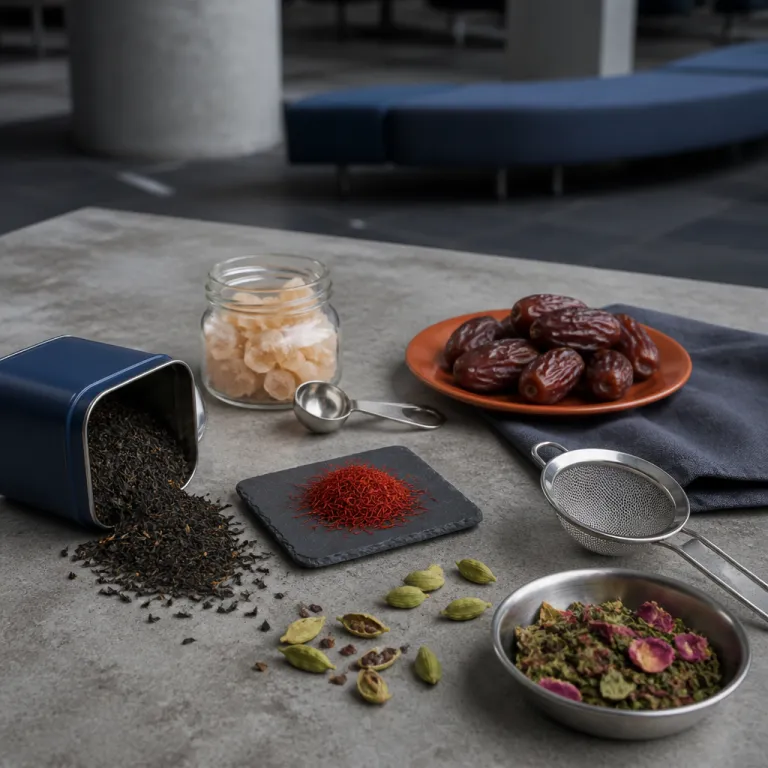
The lobby majlis in Kuwait city hotels
Walk into a five star lobby in Kuwait city and you step into a modern majlis rather than a generic hotel corridor. The kuwait hotel afternoon tea ritual plays out here in the lounge, where Arabic coffee, dates and english tea share the same polished table and quietly choreographed service. This is where solo guests and small groups read the city’s rhythm over coffee, tea and a carefully timed afternoon pause.
In an alcohol free market, hotels have turned the lobby lounge into a social stage for relaxed dining and conversation. The tea lounge is no longer just a waiting area ; it is a curated experience where the main content of the day might be a classic afternoon spread of baked scones, finger sandwiches and clotted cream set beside tiny cups of cardamom scented gahwa. Staff move with the ease of a diwaniya host, refilling cups, offering freshly baked pastries and guiding you through the tea experience without pressure or scripted sales lines.
For a traveler, this hybrid afternoon tea in kuwait is one of the most accessible ways to understand local hospitality codes. You do not need a private invitation to a home majlis ; you simply make a reservation at one of the leading hotels and choose a seat that lets you watch the city walk past the glass. The terms and conditions are unspoken but clear ; arrive in smart casual dress, respect the relaxed pace of tea time and enjoy the quiet theatre of a kuwait hotel afternoon tea service that feels both international and deeply rooted in place.
From English tea to hybrid afternoon rituals
The template for many kuwait hotel afternoon tea menus still nods to english tea traditions. You will see three tiered stands, a selection of artisanal jams, baked scones and cream, alongside delicate finger sandwiches that would not look out of place in London. Yet the best hotels in kuwait city have layered local cues onto this english structure, creating a hybrid tea experience that feels specific to the Gulf.
At Sheraton Kuwait, the lobby lounge english service might begin with Arabic coffee poured from a brass dallah before the first pot of english tea arrives. The hotel’s international restaurant team understands that guests expect both an international selection and a sense of place, so you might enjoy freshly baked saffron brioche next to a classic cucumber sandwich. This is kuwait hotel afternoon tea as cultural dialogue, where an international restaurant pastry counter shares space with trays of dates and pistachio filled sweets that echo the diwaniya table.
Elsewhere in the city, luxury hotels pair their afternoon offerings with broader dining itineraries that stretch into the evening. You might book table service for tea in the lounge, then move upstairs for a multi course dinner at a destination venue such as the Four Seasons, planning your night around a dining across the Four Seasons Kuwait experience. The rhythm is deliberate ; tea time slows the afternoon, dinner reactivates the night, and between both you read how kuwait balances international tastes with its own host culture.
Design, seating and the majlis code
Look closely at the layout of a tea lounge in kuwait and you will see the influence of the majlis more than any english drawing room. Sofas are arranged in clusters that encourage conversation, with low tables that make it easy to share plates of baked scones, dates and small pastries. Lighting stays soft even in the afternoon, so guests feel comfortable lingering over coffee or tea without the glare of a mall atrium.
In many hotels, the lobby lounge functions as a semi public diwaniya where business meetings, family gatherings and solo travelers quietly overlap. Staff read these signals with precision ; they know when a kuwait hotel afternoon tea is a private catch up and when it is a casual business meeting that might stretch from tea time into an early dinner. Seating near the windows suits guests who want to enjoy views of kuwait city, while deeper lounge english corners feel more like a traditional majlis, ideal for longer conversations and a slower tea experience.
Morning brings a different energy, as the same spaces pivot toward breakfast and light dining. If you are mapping your day, you might start with a generous spread from a hotel’s main restaurant, using a Kuwaiti breakfast table guide to choose where to stay, then return to the lounge for an afternoon tea that reveals another side of the property. The continuity matters ; from breakfast to afternoon, the way a hotel handles coffee, tea, service and seating tells you how seriously it takes hospitality beyond the guest room.
How to join the ritual as a solo traveler
For a solo explorer, the kuwait hotel afternoon tea ritual is both low pressure and richly layered. You can simply walk into most hotel lounges and ask about the afternoon tea experience, though at peak times it is wise to make a reservation to secure a good table. When you book table service, request a seat with a view of either the lobby flow or the city outside, depending on whether you prefer people watching or skyline gazing.
Dress codes lean toward smart casual, which in kuwait means polished but relaxed clothing that respects local norms without feeling stiff. Think tailored trousers or a simple dress, closed shoes and covered shoulders, especially for women who want to blend easily with local guests. The atmosphere is welcoming to international visitors, and staff are used to explaining the difference between english tea traditions, local coffee customs and the hybrid classic afternoon menus that most hotels now serve.
Timing matters more than you might expect, because light and pace shape the experience. Aim to arrive in the late afternoon, when the sun softens over kuwait city and the lounge begins to fill with a mix of residents and in house guests. You will have enough time to enjoy freshly baked pastries, sip coffee or tea at an unhurried pace and still step out for an early evening walk or a contemporary spa ritual in Kuwait before dinner.
Menus, service details and what to expect
Most kuwait hotel afternoon tea menus follow a familiar structure, but the details reward attention. You will usually start with a choice of tea selection, ranging from robust english tea blends to lighter herbal infusions, alongside Arabic coffee for those who want to lean into local flavors. A classic afternoon stand arrives next, layered with finger sandwiches, baked scones, clotted cream and artisanal jams, plus a rotation of freshly baked cakes and pastries that reflect both international and regional tastes.
Service is paced so that guests can enjoy conversation without feeling rushed, and refills of coffee or tea are offered discreetly. In many hotels, staff will explain the components of the tea experience, pointing out which sweets echo traditional Kuwaiti desserts and which items come from the international restaurant pastry kitchen. You can usually request extra cream, more baked scones or a different tea if your first choice does not suit, and the team will adjust the table quietly so the flow of tea time remains smooth.
Pricing is typically per person, with some hotels offering optional upgrades that add sparkling non alcoholic beverages or extended savoury courses. Before you sit down, it is worth asking about any terms and conditions attached to set menus, especially if you have dietary requirements or plan to share one stand between two guests. Once you settle into your seat, let the city noise fade, skip main distractions like your phone and allow the layered ritual of kuwait hotel afternoon tea to become your window into how this Gulf capital hosts, feeds and welcomes its visitors.
FAQ
What time do Kuwait hotels usually serve afternoon tea ?
Most luxury hotels in Kuwait city serve afternoon tea between mid afternoon and early evening. Typical hours run from around 15:00 to 19:00, though exact times vary by property and by lounge. It is best to check the hotel’s restaurant information or call ahead before you make a reservation.
Do I need a reservation for hotel afternoon tea in Kuwait ?
You can sometimes walk into a tea lounge without a booking, especially on weekdays. However, for popular kuwait hotel afternoon tea services and for prime lobby seats, hotels strongly recommend that guests book table service in advance. A quick call or online reservation also lets you flag any dietary needs before you arrive.
What should I wear to a hotel tea lounge in Kuwait ?
Dress codes are usually smart casual, reflecting both international norms and local expectations. Men are fine in tailored trousers or dark jeans with a shirt, while women can opt for dresses or separates that cover shoulders and are not overly tight. Beachwear, gym clothes and very casual flip flops are not appropriate for a refined tea experience in a city hotel.
Is hotel afternoon tea in Kuwait suitable for solo travelers ?
Hotel lounges in Kuwait are very welcoming to solo guests, and many locals also visit alone for coffee or tea. Staff are used to seating solo travelers at comfortable tables with good views of the lobby or city, so you will not feel out of place. For a solo explorer, kuwait hotel afternoon tea is an easy way to experience Kuwaiti hospitality without needing a private invitation.
How does Kuwaiti afternoon tea differ from traditional English tea ?
While the structure of tiers, scones and sandwiches echoes english tea, Kuwait hotels weave in local elements such as Arabic coffee, dates and regional pastries. The seating and service style often reflect the majlis tradition, with low tables, generous refills and a focus on conversation. This creates a hybrid ritual where international afternoon tea techniques meet Kuwaiti host culture in the same lounge.