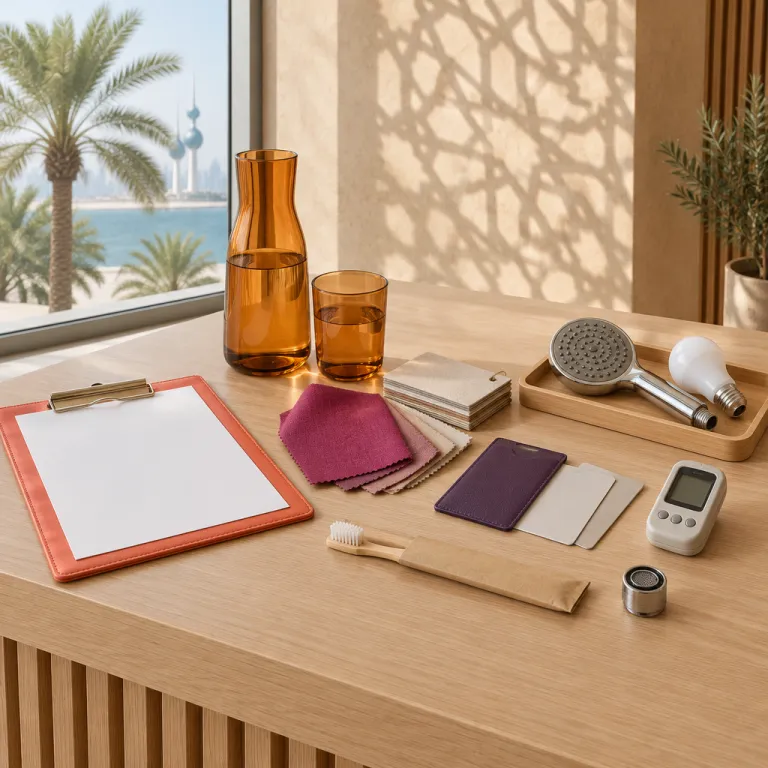
Why a sustainable hotel certificate is only your starting point
In Kuwait, a sustainability certificate can reassure a guest, yet it should never end the conversation. A plaque near reception that mentions Green Key, LEED, or another environmental certification reflects hotel ambition, but it does not automatically guarantee that daily operations match the promise. For a traveler who cares about environmental responsibility when choosing a hotel Kuwait stay, the real test begins at check in, not at the awards wall.
Several luxury hotels in Kuwait now hold more than one certification, including Green Key for operations and LEED for the building itself. Four Seasons Hotel Kuwait at Burj Alshaya, often called the Seasons Hotel Kuwait Burj Alshaya by regulars, combines Green Key certification with LEED Platinum and Forbes Verified Responsible Hospitality; this mix of labels reflects hotel level commitment to sustainability and responsible luxury. Waldorf Astoria Kuwait, Hyatt Regency Al Kout, and other hotels in Kuwait are also certified green under the Green Key programme, which is run globally but implemented locally through a national operator that checks how environmental practices work in reality.
For a solo traveler choosing a hotel Kuwait base, the key question is how these labels translate into concrete sustainable practices. A serious property will explain how energy use, water consumption, and waste reduction targets are tracked, and how this environmental data shapes decisions in real time. When a manager can show how certification reflects measurable progress, a guest can feel that the green story is more than a marketing line and that certified green status is being earned every day.
Reading the labels: Green Key, LEED and what they actually cover
Not all sustainability labels in Kuwait mean the same thing for a guest, so it helps to decode them before you book. LEED, administered by the U.S. Green Building Council, focuses on the building envelope, from insulation to glazing and efficient chillers, while Green Key and similar key certification schemes look at hotel daily operations, including water, energy, waste, and staff training. When a property such as Four Seasons Hotel Kuwait at Burj Alshaya or Waldorf Astoria Kuwait holds both LEED and Green Key, the combination signals that both the shell and the soul of the hotel are under environmental scrutiny.
Green Key, which is managed in each country by a national operator, requires hotels to report on environmental responsibility, environmental education for staff, and concrete sustainable practices such as food waste tracking or single use plastics reduction. In Kuwait, where air conditioning drives heavy energy demand and Kuwait water resources rely largely on desalination, a certified green hotel must show how it reduces pressure on both the power grid and the water association infrastructure. When you see a Green Key logo at a seasons hotel or at a property like Waldorf Astoria Kuwait in the Kuwait Burj Alshaya district, treat it as an invitation to ask sharper questions rather than a final verdict.
For a deeper sense of how Kuwait’s sustainability story fits into the wider Gulf, read the analysis on why Kuwait’s sustainability story is quieter than Dubai’s, then bring that context to your next check in. A thoughtful guest will ask how certification reflects current performance rather than past audits, and whether the hotel shares progress with both staff and guests. When the answers are specific, numerical, and linked to recognised certification frameworks, you are hearing substance rather than scripted green language.
The water and waste questions that reveal real daily operations
In a desert climate, the first sustainability question a Kuwait guest should ask at a hotel front desk is about water. Kuwait water comes mainly from energy intensive desalination, so any responsible luxury property must treat every litre as precious, not unlimited. When a team member can explain how linen reuse, low flow fixtures, and irrigation controls cut water use without compromising comfort, you are hearing how sustainable practices shape daily operations rather than just policy documents.
Ask how the hotel manages food waste from its restaurants, in room dining, and banqueting spaces, especially in large complexes such as Burj Alshaya where Four Seasons and Waldorf Astoria share a footprint. A credible answer will mention food waste measurement, donation partnerships, and waste reduction strategies in the kitchen, including menu design that uses whole ingredients and careful buffet planning. At one certified green property in Kuwait City, for example, the executive chef reports a 25% cut in buffet food waste over two years by shrinking display portions and expanding made to order dishes. If the staff member simply says that waste goes to recycling without naming partners or processes, a guest should treat that as a sign to probe further.
Single use plastics are another key test, because they sit at the intersection of guest experience and environmental impact. Ask whether single plastics have been phased out in rooms, at the pool, and in conference areas, and whether alternatives are genuinely reusable rather than just another disposable material. For more context on how Kuwait’s hospitality scene is experimenting with greener models, including on Failaka Island, explore this piece on where Kuwait sustainable hospitality is heading before you choose your next hotel.
Energy, sourcing and the subtle signals of environmental responsibility
Energy is the quiet giant in any Kuwait hotel sustainability story, because cooling a glass tower in August is an engineering challenge as much as a design choice. When you check in at a luxury property such as Waldorf Astoria Kuwait or Four Seasons Hotel Kuwait at Burj Alshaya, ask how the building management system optimises energy use across rooms, public spaces, and back of house areas. A confident front office or duty manager should be able to describe how occupancy sensors, efficient chillers, and smart thermostats reduce energy demand while keeping suites comfortable; many Gulf properties now track kilowatt hours per occupied room as a core performance metric.
Food and beverage sourcing offers another window into environmental responsibility that a guest can easily read. Ask whether the hotel works with national producers for seafood, vegetables, and dairy, and how often menus change with the seasons to reflect what is available closer to Kuwait City rather than flown in from Europe. When a chef or restaurant manager explains how local sourcing, reduced food waste, and careful menu engineering fit into the hotel’s sustainability strategy, you are hearing how environmental practices move from the CSR report into the dining room.
Look also for softer signals that daily operations are aligned with the green story, including staff environmental education and guest facing communication that feels specific rather than generic. A property that trains its équipe to talk about water, waste reduction, and energy in concrete terms is usually one where certification reflects a living culture rather than a one off audit. If you want more guidance on which Kuwait city stays balance refined comfort with credible sustainability, our curated guide to Kuwait City stays for discerning travelers is a useful starting point before you commit to a booking.
How to interrogate, interpret and then reward genuine sustainable practices
For a solo explorer, the most powerful sustainability tool is not an app or a carbon calculator, but a calm, specific question asked at the right moment. At check in, ask the front desk which environmental initiatives they are most proud of this season, then listen for details about water, energy, waste, and community engagement rather than vague green language. A guest who hears concrete examples, such as certified green status under Green Key or a partnership with a local water association, can feel more confident that the property is serious.
When the answers feel evasive, you still have options that respect both your time and the équipe at reception. Ask for a sustainability contact or duty manager, and request a brief explanation of how certification reflects current performance, including any recent audits or awards such as Forbes Verified Responsible Hospitality. If the hotel shares a short sustainability factsheet or points you to a clear section on its website, that transparency is a strong signal that environmental responsibility is integrated into governance rather than left to marketing.
The final step is to reward the hotels that match your values, because in a market like Kuwait, guest choices send a clear message. Leave a note in your post stay survey that explains why you chose a particular hotel Kuwait property, whether that is the seasons hotel at Burj Alshaya, Waldorf Astoria Kuwait, or another address whose sustainable practices impressed you. When enough guests link their booking decisions to environmental performance, the balance of power shifts, and sustainability becomes a key metric in how Kuwait’s luxury hotels compete for your next stay.
FAQ
How can I quickly assess if a Kuwait hotel is genuinely sustainable ?
Start by checking whether the hotel holds recognised certifications such as Green Key or LEED, then ask how these influence daily operations. A genuine property will explain specific actions on water use, energy efficiency, waste reduction, and single use plastics, rather than relying on generic green statements. If staff can describe concrete projects and recent improvements, a guest can trust that sustainability is more than a slogan.
What sustainability questions should I ask at check in in Kuwait ?
Ask how the hotel manages water consumption, especially for laundry and landscaping, and whether they track and reduce food waste from restaurants and banquets. Follow up with questions about energy efficiency, such as smart room controls or efficient cooling systems, and whether single use plastics have been phased out in rooms and public areas. These questions help you understand whether environmental responsibility is embedded in daily operations or limited to a certificate on the wall.
Does Green Key certification guarantee that a Kuwait hotel is eco friendly ?
Green Key certification is a strong indicator that a hotel has met international standards on environmental management, staff training, and guest communication. However, it should be treated as a starting point, because performance can vary between certified properties and over time. A guest should still ask how the hotel maintains and improves its certified green status between audits.
Why is water such a critical sustainability issue for hotels in Kuwait ?
Kuwait relies heavily on desalinated seawater, which is energy intensive to produce and distribute, so every litre saved reduces both environmental impact and pressure on national infrastructure. Hotels with large pools, landscaped gardens, and extensive laundry operations can be major water users if they do not manage consumption carefully. When a hotel explains how it reduces Kuwait water use through technology and guest engagement, it shows serious environmental responsibility.
How can my booking choices encourage better sustainable practices in Kuwait hotels ?
Choose hotels that are transparent about their environmental performance, hold credible certifications, and answer your questions with specific examples. Mention sustainability as a deciding factor when you book and in post stay feedback, highlighting initiatives such as waste reduction, local sourcing, or strong environmental education for staff. Over time, this guest feedback signals to hotel management that responsible luxury is not a niche preference but a key expectation in the Kuwait market.
Selected sources for further reading : Ministry of Electricity, Water and Renewable Energy in Kuwait ; Green Key Global ; U.S. Green Building Council (LEED).