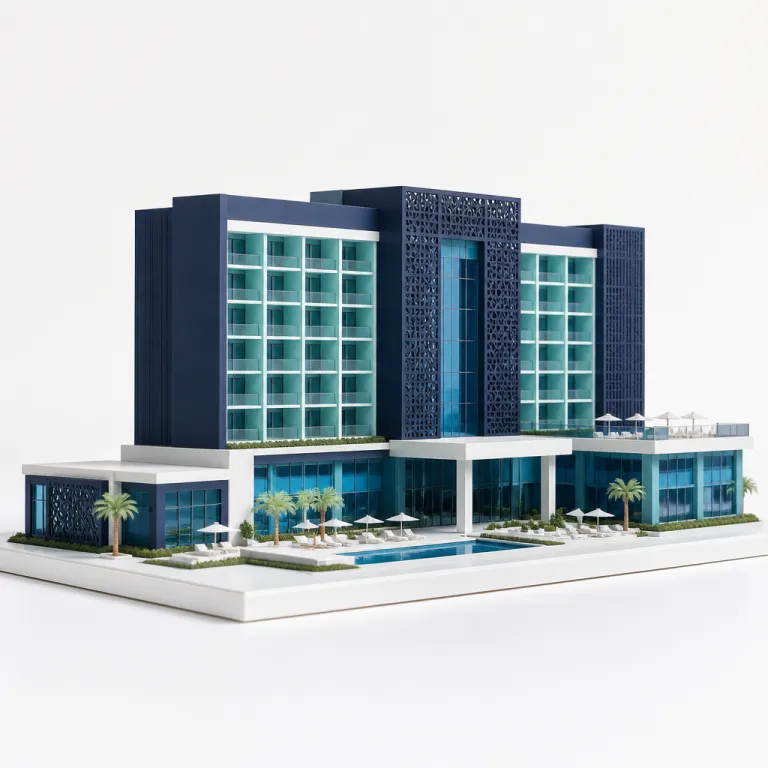
How kuwait luxury hotel renovation design is rewriting Gulf opulence
Walk into a recently refreshed luxury hotel in Kuwait City and the shift is immediate. The new kuwait luxury hotel renovation design language favours textured stone, softened light and calm interior palettes over mirrored ceilings and heavy drapery, and it quietly changes how you move through the space. This is where modern architecture meets a more grounded idea of luxury living, one that respects the diwaniya tradition while editing out the visual noise.
The St. Regis Kuwait sits at the centre of this change, using a multi phase renovation project to test what class luxury can look like in the Gulf without defaulting to spectacle. Across 23,700 square feet of public areas, Kristina Zanic Consultants and Havelock One Interiors have treated the lobby, lounges and dining room zones as a single design project, with architectural planning that links every corridor sightline back to Fahd Al Salem Street and the city beyond. For travellers comparing hotels on a booking website, this level of complete planning matters more than a long list of generic services.
Guestrooms were the first phase, and that timing tells you a lot about how kuwait luxury hotel renovation design is now sequenced. Operators know that clients choose a hotel primarily for the room design and the promise of quiet, layered luxury interior details, then stay loyal when the public spaces feel equally considered. When you scroll through photos of several projects on mykuwaitstay.com, look for this coherence between architecture interior elements, furniture premium finishes and the way each interior design decision supports how you actually live in the room.
Inside the St. Regis Kuwait makeover: from marble herringbone to metal screens
The St. Regis Kuwait renovation is not a cosmetic refresh ; it is a structural rethink of how guests arrive, linger and dine. Phase II focused on public spaces, where natural marble laid in herringbone patterns, bespoke joinery and decorative metal screens now frame a more modern interior that still feels rooted in Kuwait. According to the project data, "Guestrooms and public areas were extensively refurbished."
Al Hambra, the signature restaurant, shows how kuwait luxury hotel renovation design is moving away from anonymous five star dining rooms. Wooden wall cladding and a leaf patterned ceiling soften the acoustics and visually lower the volume, so the dining room becomes a place for long conversations rather than quick buffet passes. When you compare before and after images on a hotel booking website, this kind of architecture interior shift is what separates a true design project from a simple furniture swap.
Behind the scenes, Havelock One Interiors has treated the work almost like a luxury villa commission, with custom wood and glass partitions that could sit comfortably in high end villa interiors or a private office. The same premium materials and bespoke furniture detailing that you might expect in a luxury villa on the Gulf Road now appear in the lobby seating clusters and semi private nooks. For travellers, the benefit is tangible ; the fit and finish of each construction element feels residential, which makes the hotel living experience calmer, more personal and closer to the way luxury villas are actually used by Kuwaiti families.
From guestrooms to diwaniya style lounges: what phases of renovation really change
Renovation timelines can look abstract on a press release, but each phase alters what you feel as a guest. At The St. Regis Kuwait, Phase I refreshed around forty rooms, Phase II reworked public areas, and Phase III will continue with further enhancements that refine the overall design process. For anyone browsing a booking platform, understanding where a hotel sits in this cycle is crucial to reading between the glossy photos.
Room design usually comes first because it is the most measurable part of kuwait luxury hotel renovation design, and it is where architectural planning meets nightly rate expectations. New headboards, better acoustic insulation and upgraded bathrooms are not just interior design flourishes ; they are construction decisions that affect sleep quality, privacy and how comfortably you can work from a laptop at the desk or lounge chair. In Kuwait, where many solo travellers blend office tasks with leisure, this hybrid living and working fit is no longer optional.
Public spaces follow, and this is where the diwaniya spirit enters the hotel. Lounges are being planned more like villa interior reception rooms, with clusters of bespoke furniture arranged for conversation rather than spectacle, and with lighting that flatters both Arabic coffee rituals and late night meetings. When Phase II at The St. Regis Kuwait introduced new metal screens and marble flooring, it effectively turned the lobby into a contemporary majlis, a move that many future projects in Kuwait will likely echo as they balance class luxury aesthetics with a more grounded, social form of luxury living.
Renovation versus new build: why established hotels still matter in Kuwait
With new names like Nobu entering the Kuwait market, it might seem easier for travellers to default to the latest opening. Yet kuwait luxury hotel renovation design shows why established properties that invest in complete refurbishment still hold a powerful advantage. They combine proven service culture with architecture that has been carefully edited rather than entirely replaced.
For owners, the choice between a new construction project and a deep renovation is strategic, not sentimental. Existing hotels already occupy prime plots in Kuwait City, often with better access to ministries, office towers and the Corniche than any future development can secure, so architectural planning that reuses the structure while upgrading the interior can deliver faster results and lower disruption. When Kristina Zanic Consultants talk about blending modern luxury with historical elements at The St. Regis Kuwait, they are describing a design kuwait approach that respects the original architecture while introducing premium materials and contemporary lines.
Guests feel this in subtle ways, from the way a swimming pool terrace is shielded from traffic noise to how a dining room opens towards the city skyline instead of an internal atrium. Renovated hotels can also integrate lessons from villa interiors and luxury villas, using furniture premium selections and bespoke furniture layouts that reflect how Kuwaiti families actually entertain at home. On a booking website like mykuwaitstay.com, this is where expert curation matters ; we highlight renovation projects where clients choose the property not just for the brand name, but for the way the updated architecture interior genuinely improves daily living.
What guests really notice after a renovation (and what they do not)
Design teams obsess over joinery details and ceiling patterns, but travellers notice different things first. In any kuwait luxury hotel renovation design, the most immediate impressions are light quality, sound levels and how intuitively the spaces connect, from the porte cochère to the lobby, dining room and elevators. If you can navigate from check in to your room without confusion, the architectural planning is working.
Other upgrades operate almost invisibly, yet they define whether a renovation feels like true class luxury or a surface level refresh. Improved air conditioning zoning, better acoustic separation between rooms and smarter lighting controls are part of the hidden design process, sitting at the intersection of interior design and building services engineering. You may not see the construction work that delivered these changes, but you feel the difference when you sleep, work or host friends in your room.
For inspiration, look at how Kuwait’s top hotels now borrow cues from luxury villa projects, from the way a living area is zoned with rugs and sofas to the way a swimming pool deck is furnished with bespoke furniture pieces that would not look out of place in high end villa interior schemes. If you are planning your own stay, use our guide to the Kuwaiti breakfast table on mykuwaitstay.com as a lens ; the properties that treat breakfast as a curated ritual usually show the same care in their architecture interior, furniture premium choices and overall luxury interior narrative. Over time, as more projects complete their renovation cycles, clients choose hotels less for headline grabbing features and more for this quiet, deeply considered form of luxury living.
FAQ
What renovations were made at The St. Regis Kuwait ?
The St. Regis Kuwait has undergone a multi phase renovation that began with a comprehensive refresh of its guestrooms and then moved into public areas such as the lobby and restaurants. The work includes new marble flooring, custom metal screens, updated joinery and reconfigured seating zones that better reflect contemporary luxury standards in Kuwait. According to the verified project information, "Guestrooms and public areas were extensively refurbished."
How does a renovation affect my stay compared with a new build hotel ?
A well executed renovation can offer the character and prime location of an established property with the comfort levels of a new build. In Kuwait, renovated hotels often benefit from better city access while integrating modern interior design, improved acoustics and upgraded mechanical systems that enhance sleep quality and overall comfort. For guests, the key is to check which renovation phase has been completed, as freshly updated rooms and public spaces usually translate into a noticeably smoother stay.
Why are Kuwait’s luxury hotels focusing on interior design instead of adding more facilities ?
Many Kuwait properties already have extensive facilities, from large ballrooms to generous swimming pool decks, so the competitive edge now lies in how those spaces feel and function. By investing in interior design, architectural planning and higher quality materials, hotels can create calmer, more intuitive environments that align with evolving expectations of Gulf luxury. This shift prioritises texture, light and cultural reference over sheer scale, which better suits independent travellers seeking authenticity.
What should I look for in room design when booking a luxury hotel in Kuwait ?
When comparing options, focus on how the room layout supports both rest and work, especially if you plan to combine business and leisure. Look for recent renovation dates, evidence of thoughtful lighting, good acoustic separation and furniture arrangements that create distinct zones for sleeping, living and dining. Details such as premium materials, bespoke furniture pieces and well planned storage usually signal a more carefully managed design process.
How can I tell if a hotel’s renovation is more than just cosmetic ?
Cosmetic updates tend to focus on new fabrics and colours, while deeper renovations address circulation, acoustics, lighting infrastructure and how public spaces connect. Signs of a substantial project include reconfigured lobbies, redesigned restaurants, upgraded bathrooms and clear references to the work of named design firms or contractors. In Kuwait, when you see firms like Kristina Zanic Consultants and Havelock One Interiors associated with a hotel, it usually indicates a more comprehensive approach to kuwait luxury hotel renovation design.